Social Fitness Service
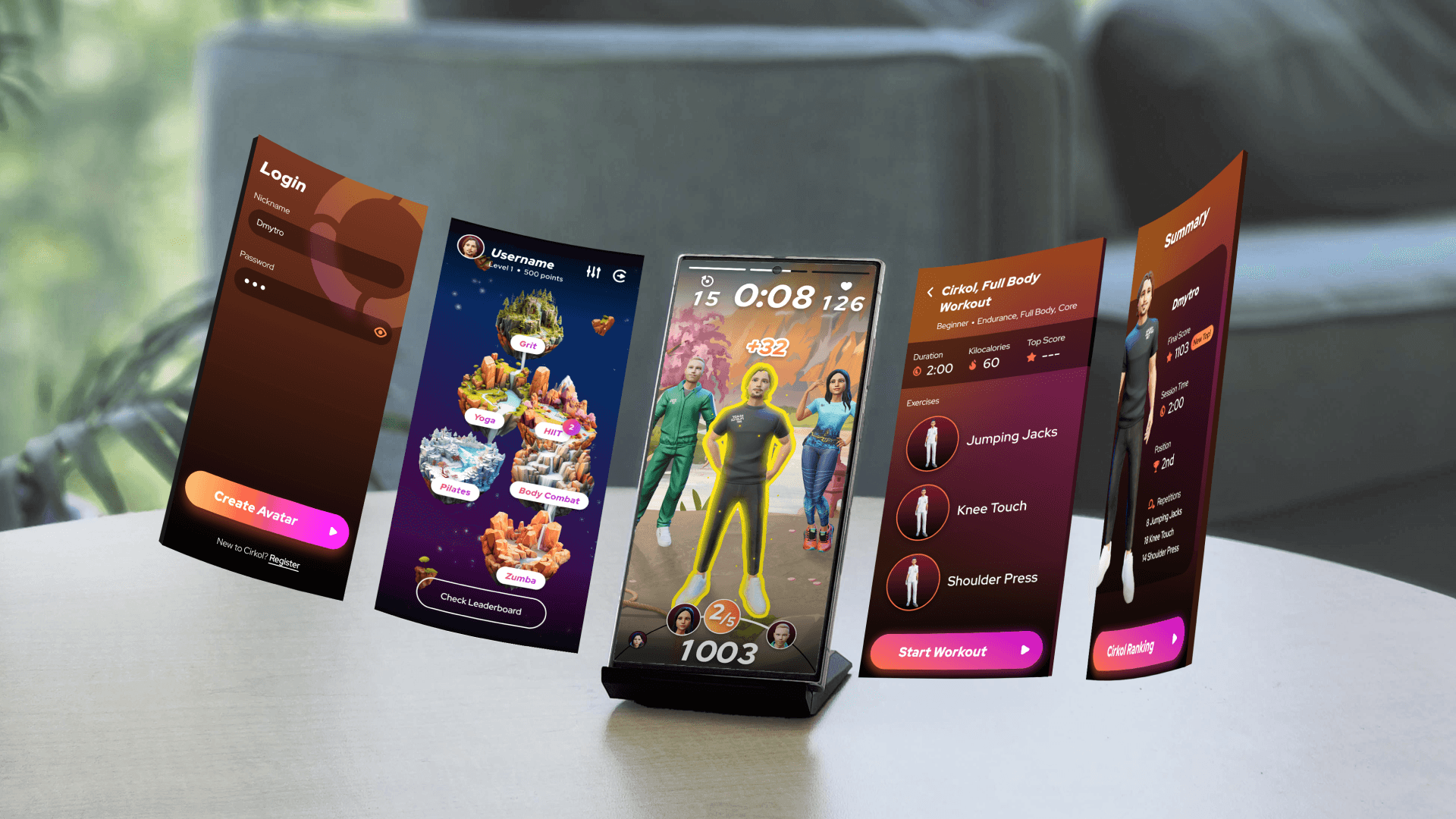
Working out is hard to stick with. CIRKOL, a social fitness project incubated by Samsung Health, bridges the motivation gap by turning the smartphone into a motion sensor and a portal into a shared virtual world. As lead UX designer, I translated complex AI tracking data into an engaging experience that works across all fitness levels.
As lead UX designer, I translated complex computer vision tracking system into an engaging experience that works across all fitness levels. By connecting high-tech capabilities with social gamification, I helped lower the barrier to exercise while maximizing the motivation to stay.
Results & Impact
Presented to senior executives. Secured buy-in based on retention, engagement, and monetization potential.
3 Sessions/Week
As compared to an average of 2 from other apps (Keep, Strava, etc.)
42% Power Users
As compared to an average of less than 20% from other apps
82% Profit Margin
Projected by digital fitness ROI estimate model for 3 phases
Reference: Retention study with 12 participants for 2 weeks; App Store Search app tab ads CPM, Splitmetrics, 2020-2021; Platform CPMs, Topdraw, 2021; Keep Interim Report, 2023; In-App Purchase Report, Business of Apps Guide, 2023
Challenges
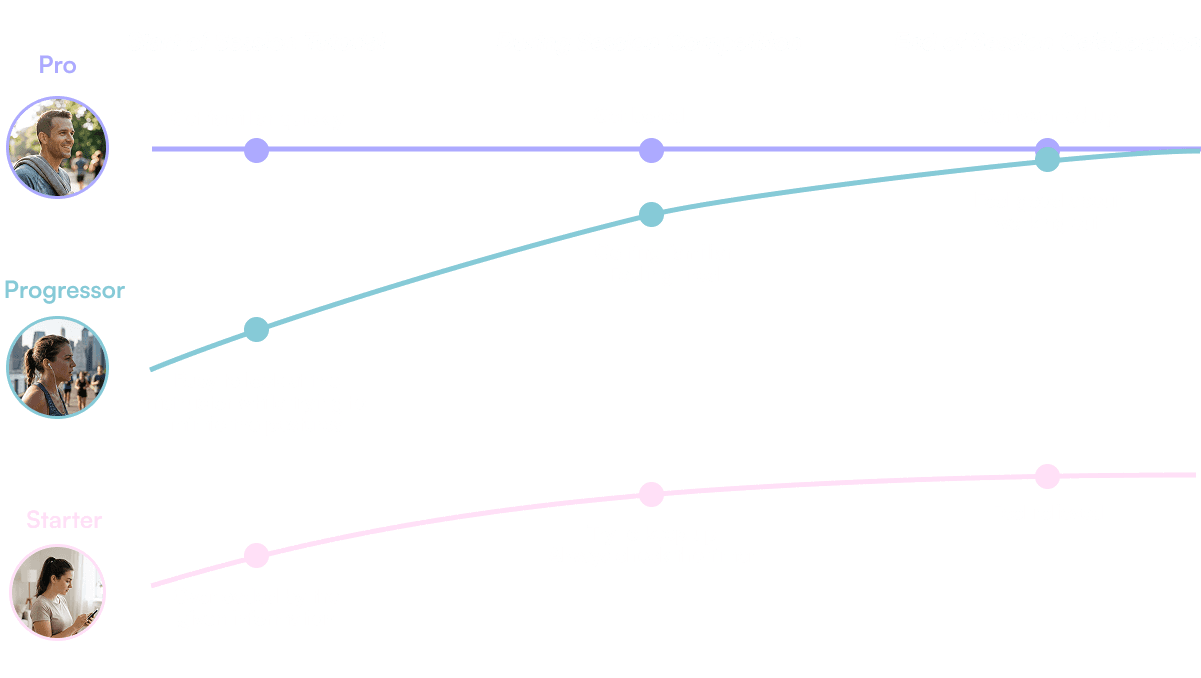
Designing for All Fitness Levels: Extra guidance for beginners without slowing down or annoying advanced users
Balancing Workout and Play: Social/game features that motivate without distracting
Making the Tech Feel Natural: Collaborating with ML to ensure computer vision output felt seamless
Process
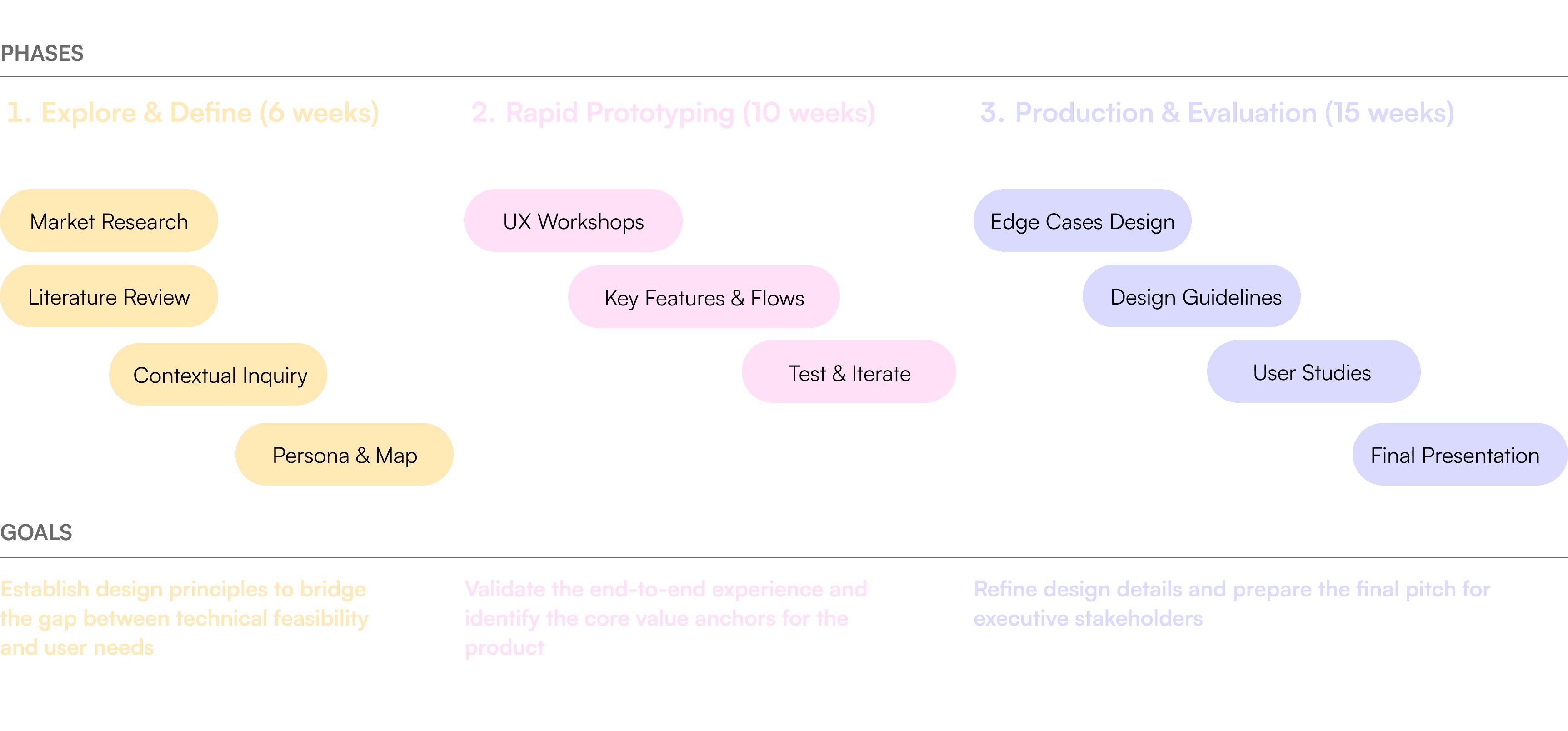
Three phases across 7 months, from research to executive pitch
Explore & Define
"Wizard of Oz" Study with 21 Participants
To define the product's strategic focus, I ran a simulation study where participants followed a workout on one screen while watching a live camera mirror of themselves on the other.
Surveys and interviews surfaced both universal patterns and expertise-based nuances, which I distilled into three design principles:
Focused Attention
Prioritize a single, high-impact piece of information to reduce cognitive strain from a distance
Timely Feedback
Prioritize a single, high-impact piece of information to reduce cognitive strain from a distance
On-demand Guidance
Dynamically adapt the information density based on the user's current physical state and expertise.
Tech Pushback
In order to build a solution that actually worked for people, I partnered closely with the engineering team to navigate two critical tensions where user instinct conflicted with hardware limitations:
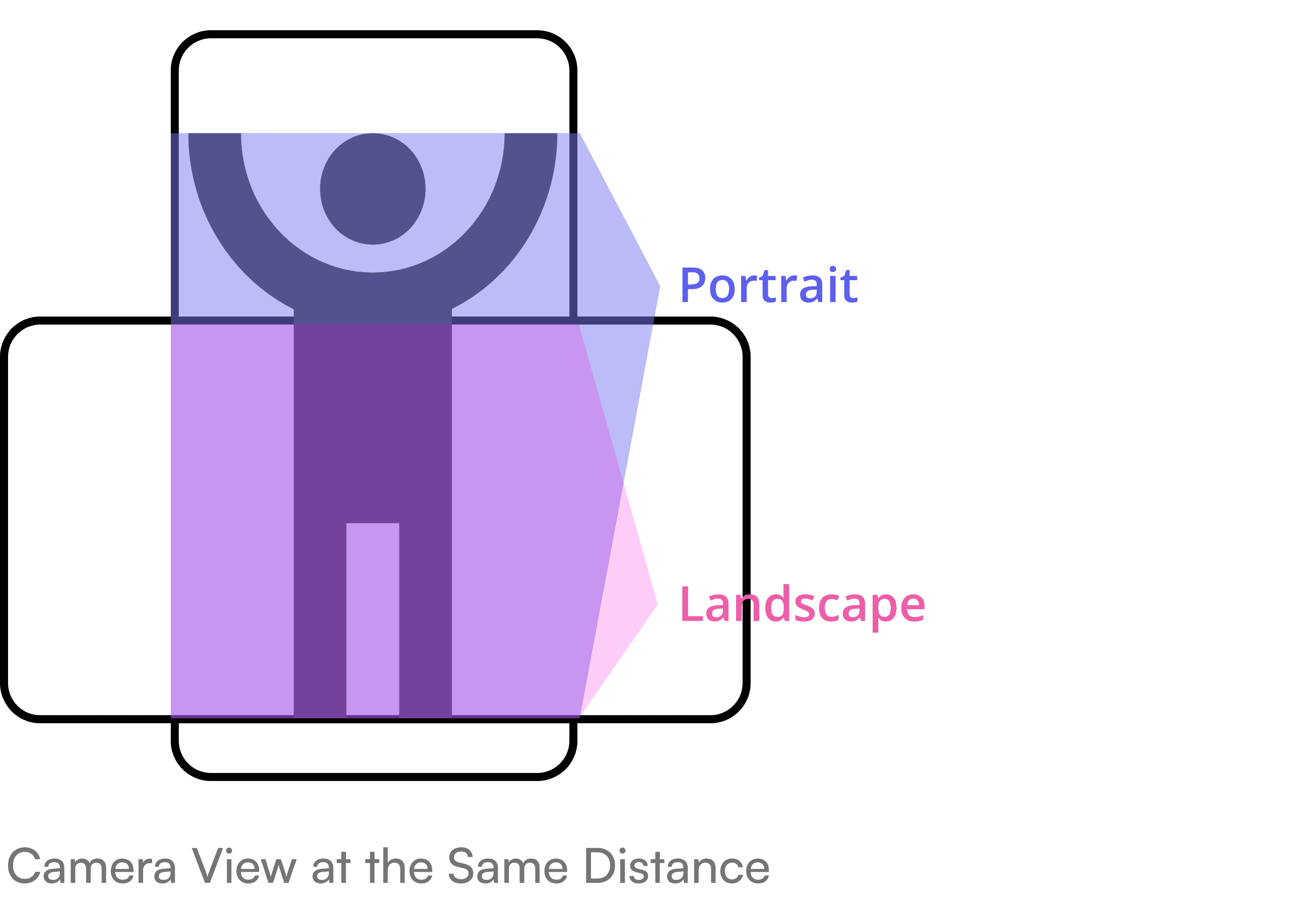
1. The Proximity Paradox
Users step closer to see themselves, but the camera needs distance for full-body tracking. I pushed for Portrait Mode: a taller field of view that satisfied visibility without sacrificing accuracy.
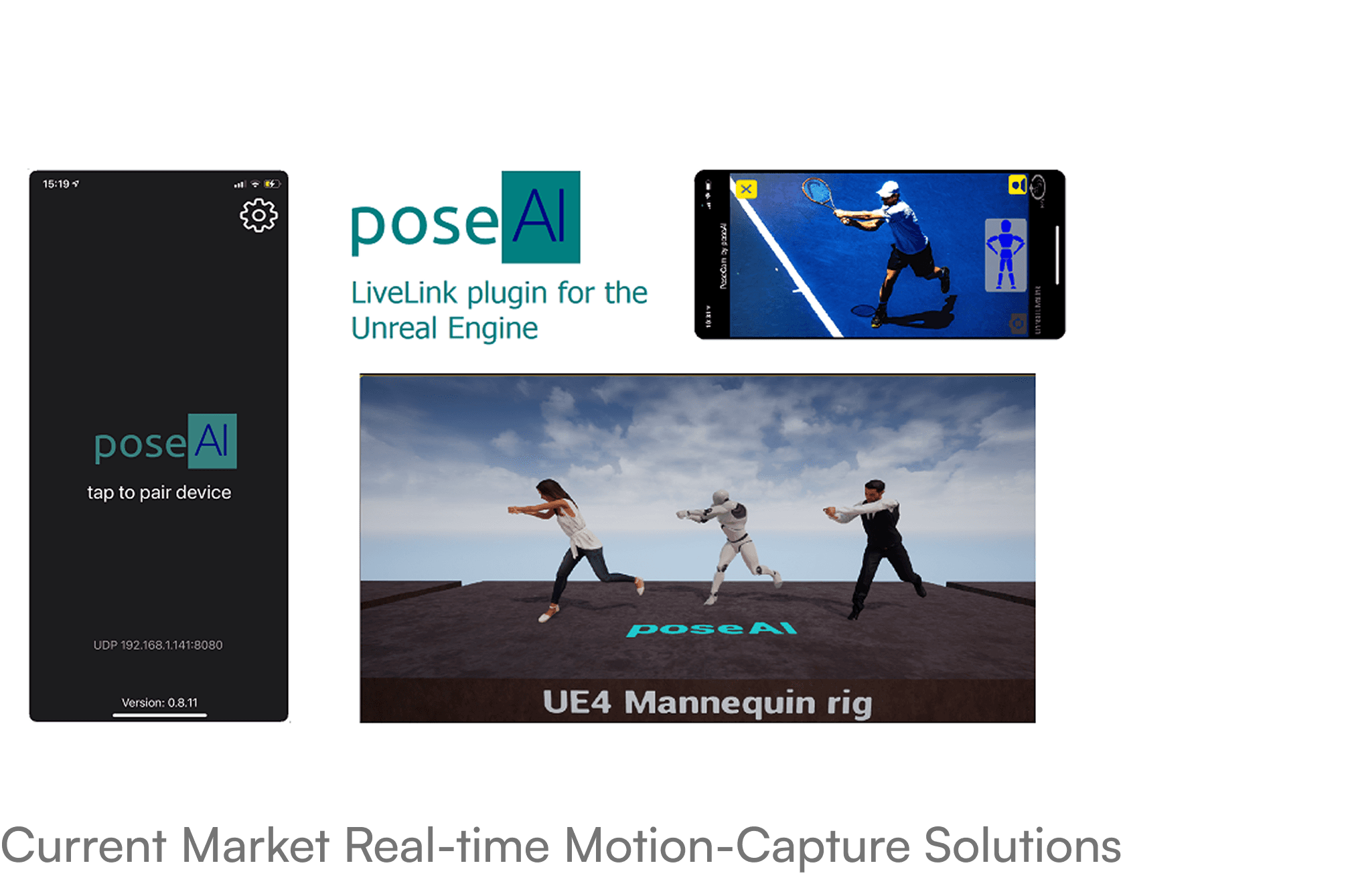
2. Delayed Visual Feedback
Users needed real-time response to stay motivated, but the system used pre-made animations. I researched SDKs like PoseAI to prove feasibility, and inspired a custom real-time motion capture algorithm.
Rapid Prototyping
Hybrid Testing for an Untestable Experience
Figma can't simulate real-time AI tracking. So I combined Figma (pre/post screens) with custom video simulation (live workout) into one testing flow. With 10 participants and "Leap of Faith" assumptions, I focused testing on the highest-risk UX moments — mapping the full journey while guiding engineering in parallel.

Iterations
I navigated several major design tensions to balance high-intensity exercise with social gamification. Here are some examples:
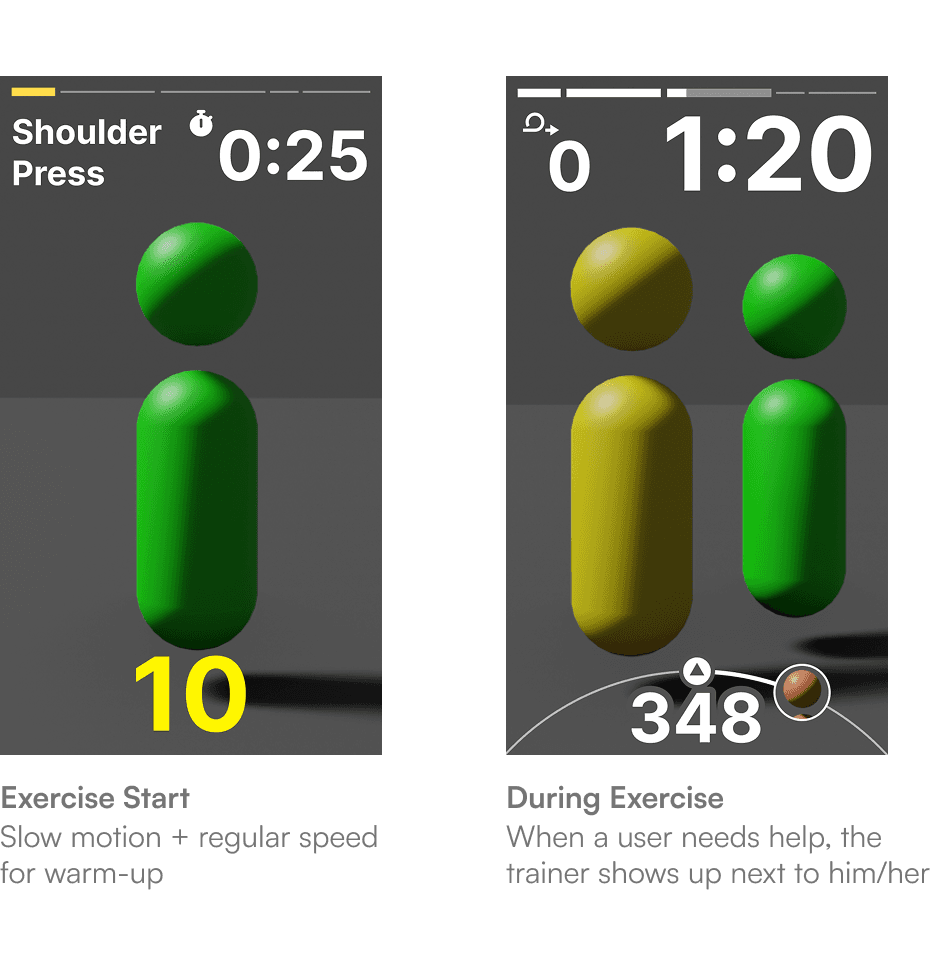
1. On-Demand Guidance for All Levels
Swapped mandatory tutorials for a Quick Preview at session start and an on-demand coach mid-exercise. Advanced users can directly jump in; beginners get help when they need it.
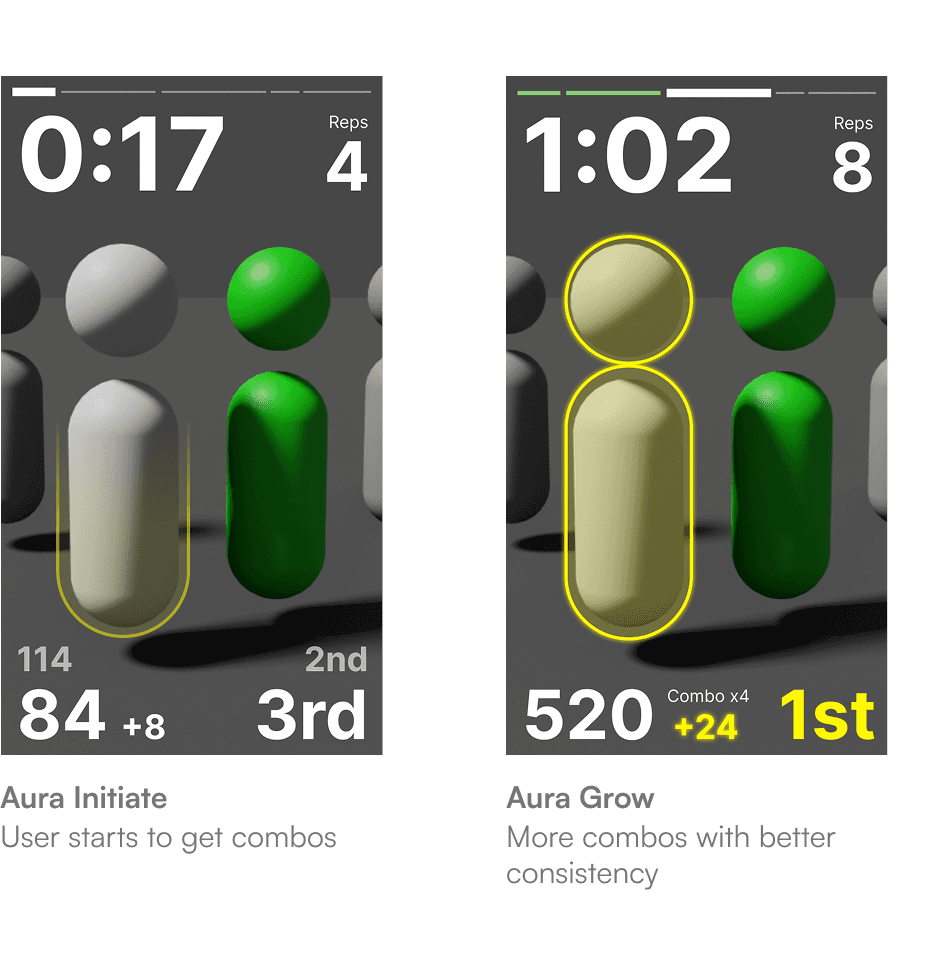
2. Performance Aura
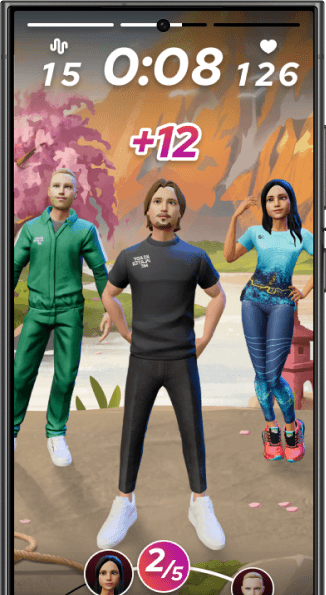
Embedded performance data into the user's tracked silhouette as a "Combo Aura." Readable through peripheral vision — no extra UI, no broken focus.
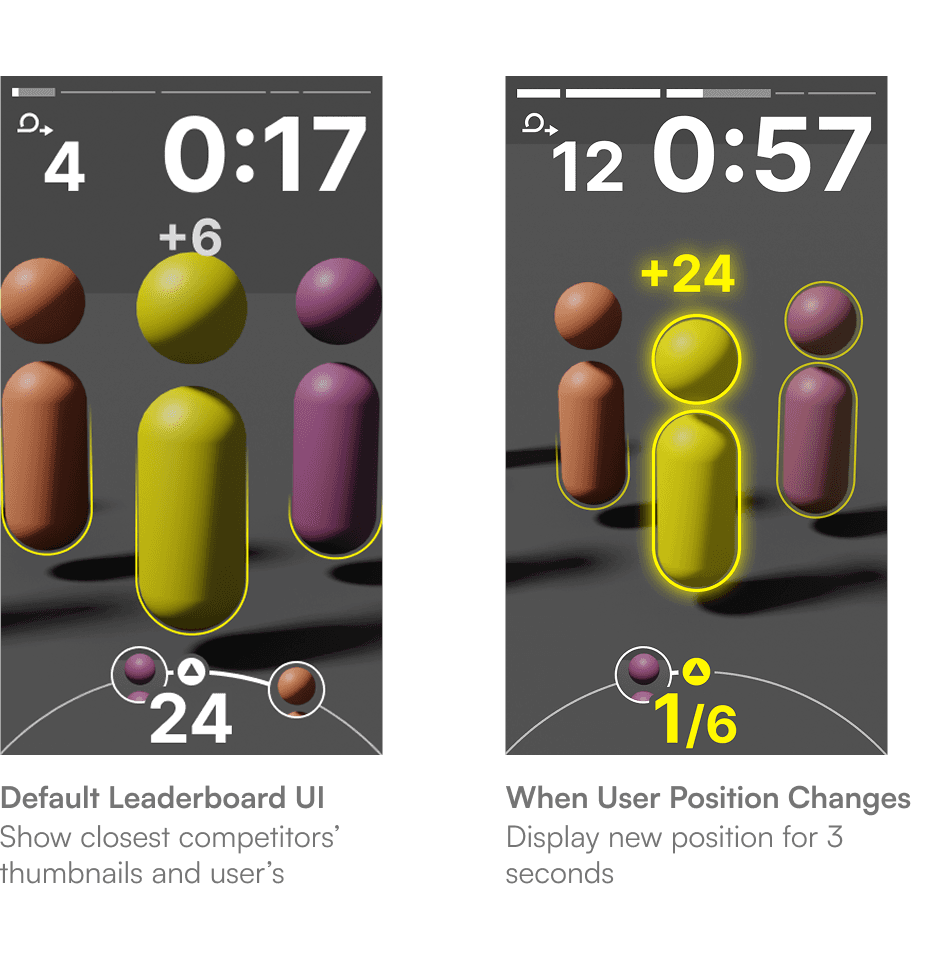
3. The Contextual Leaderboard
Shows only the rank directly above and below the user. Testing showed a full list created noise; only immediate competition drove motivation.
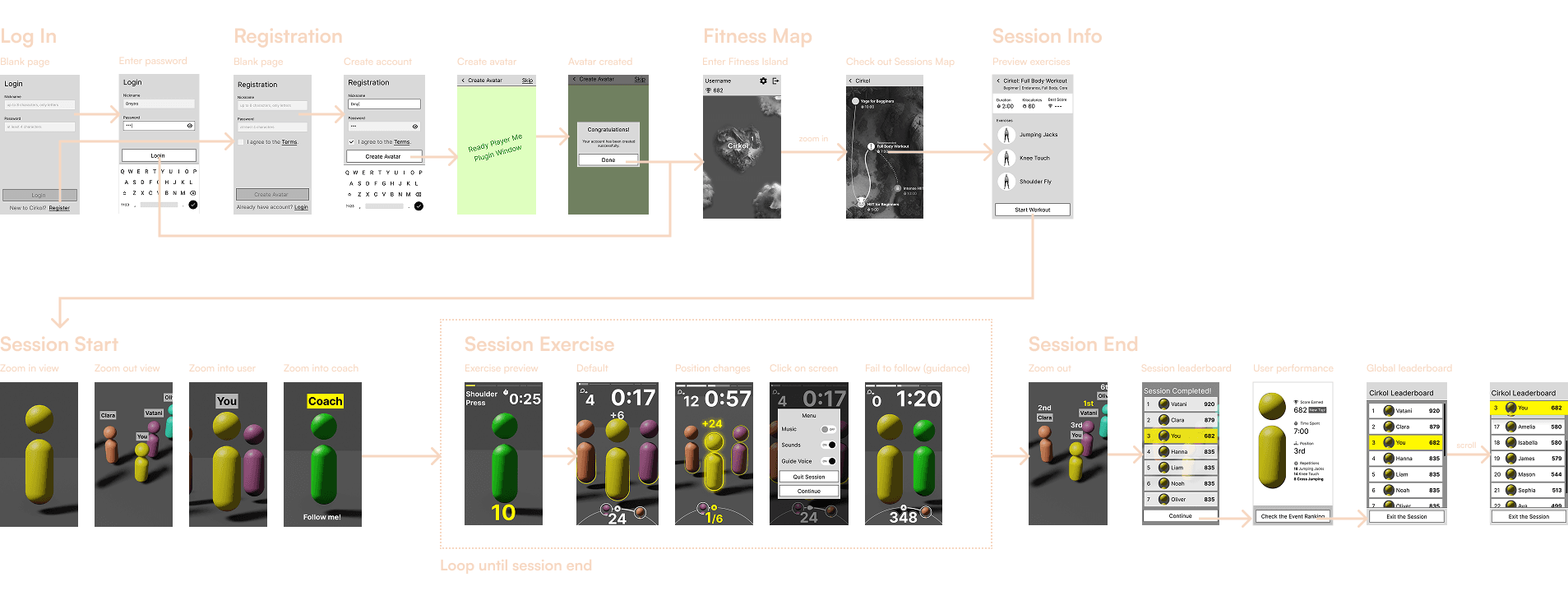
And the flow was updated:
Production
To prepare CIRKOL for a production, I shifted my focus to the "Last Mile" of the experience—solving for edge cases, resource constraints, and brand alignment.
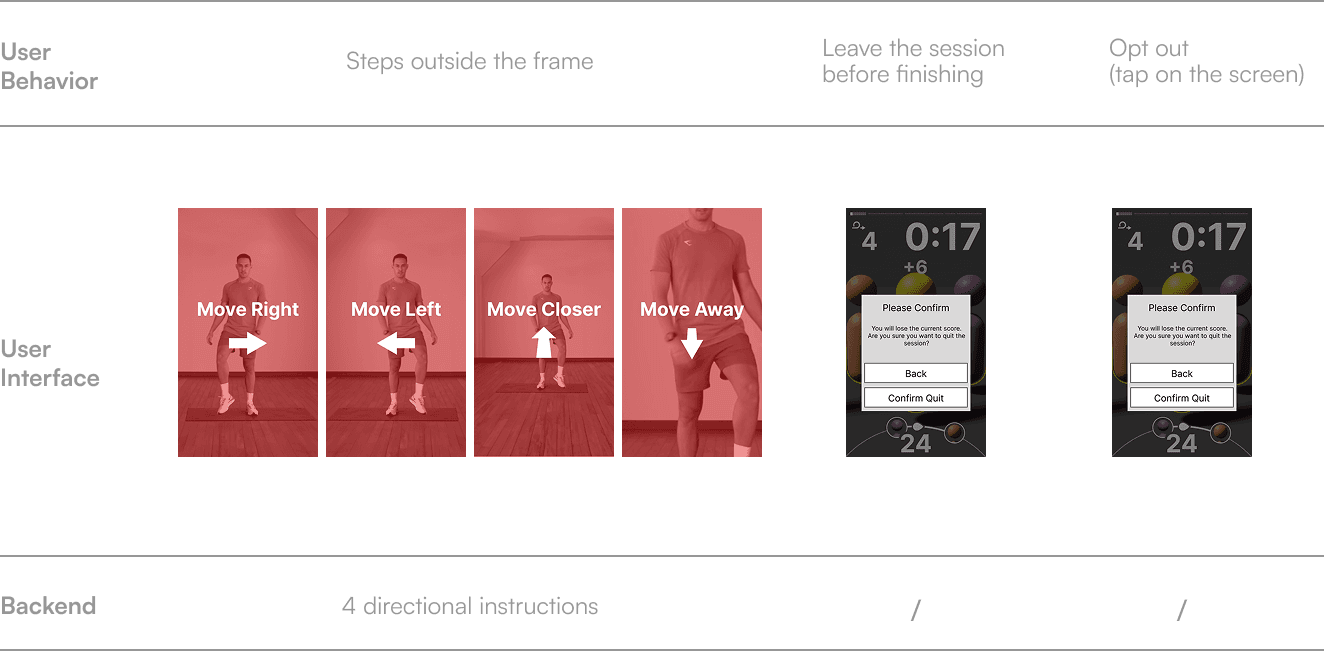
1. Smoothing Guardrail Scenarios
Contextual UI feedback that guides users when they drift out of frame or accidentally tapping during exercise.
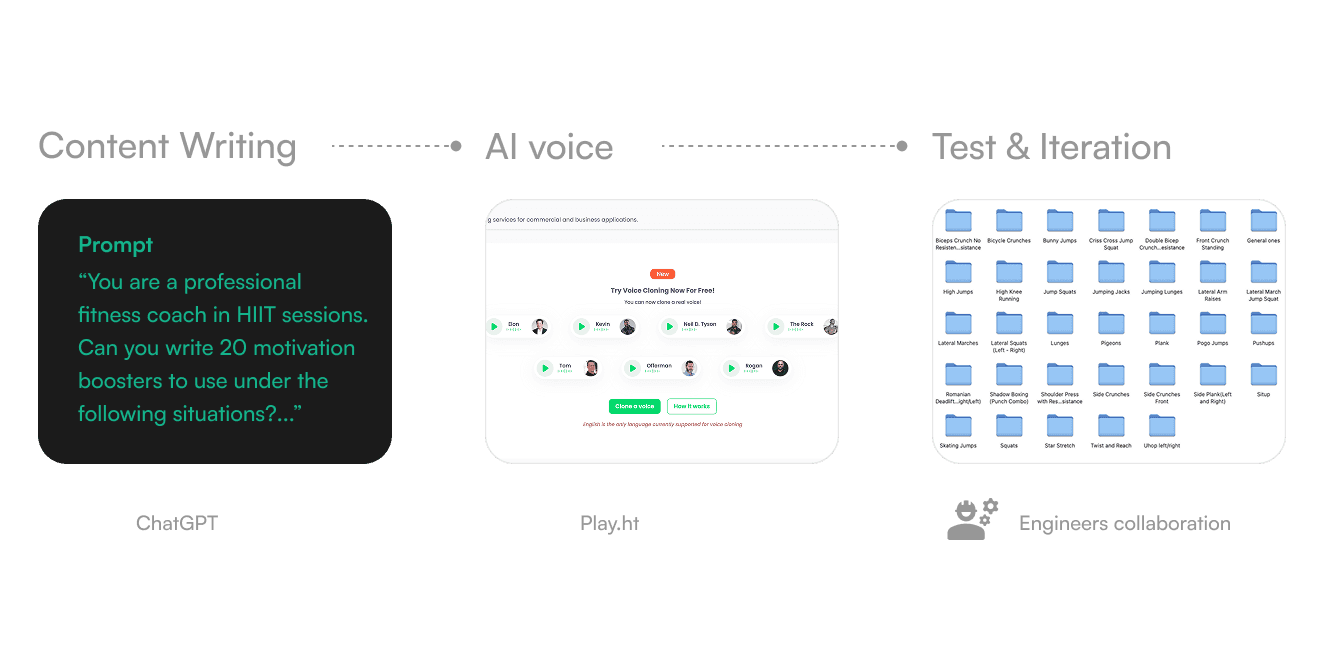
2. AI Motivation Voice Cues
Voice guidance was critical for motivation. I used an AI workflow to create a logic-based script library for the engineers to pull from.
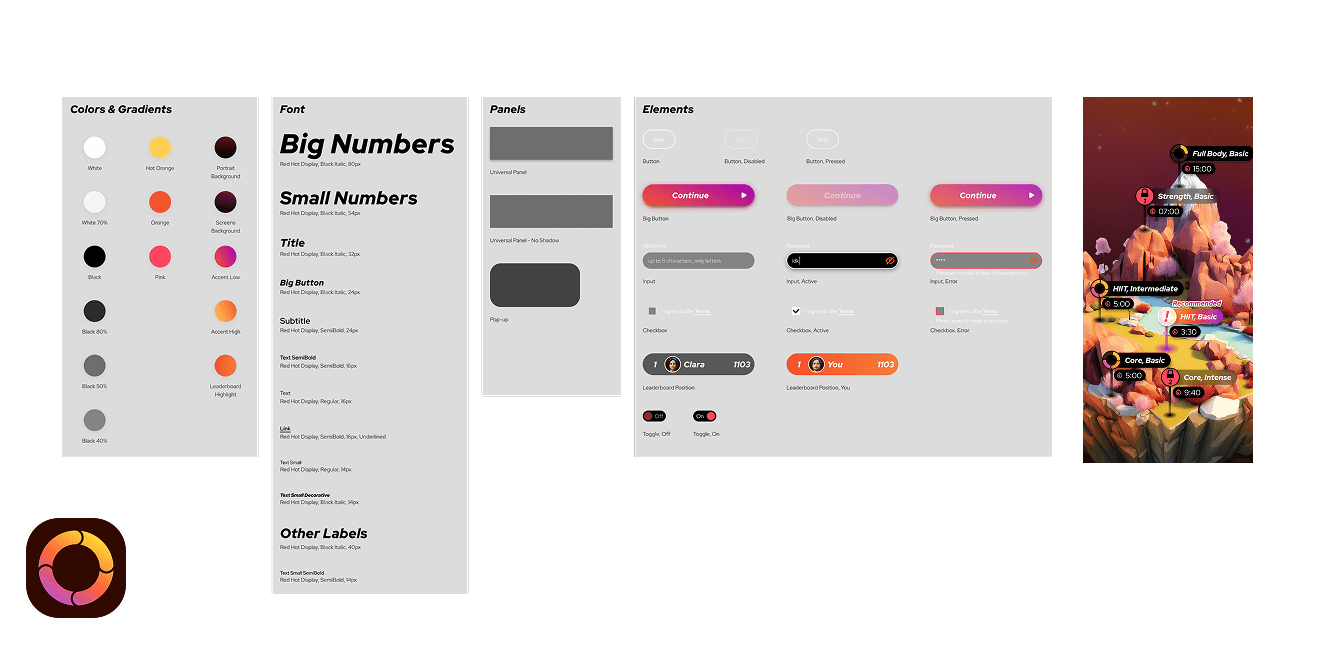
3. Upgrading Visual Identity
Audited and upgraded the design system with a higher-energy color palette to match brand expectations
Experience & Validation
After an in-person user test with 7 dyslexic users, we translated research insights and refined concepts into a concise storytelling package designed for senior leadership.
Follow-up Validation
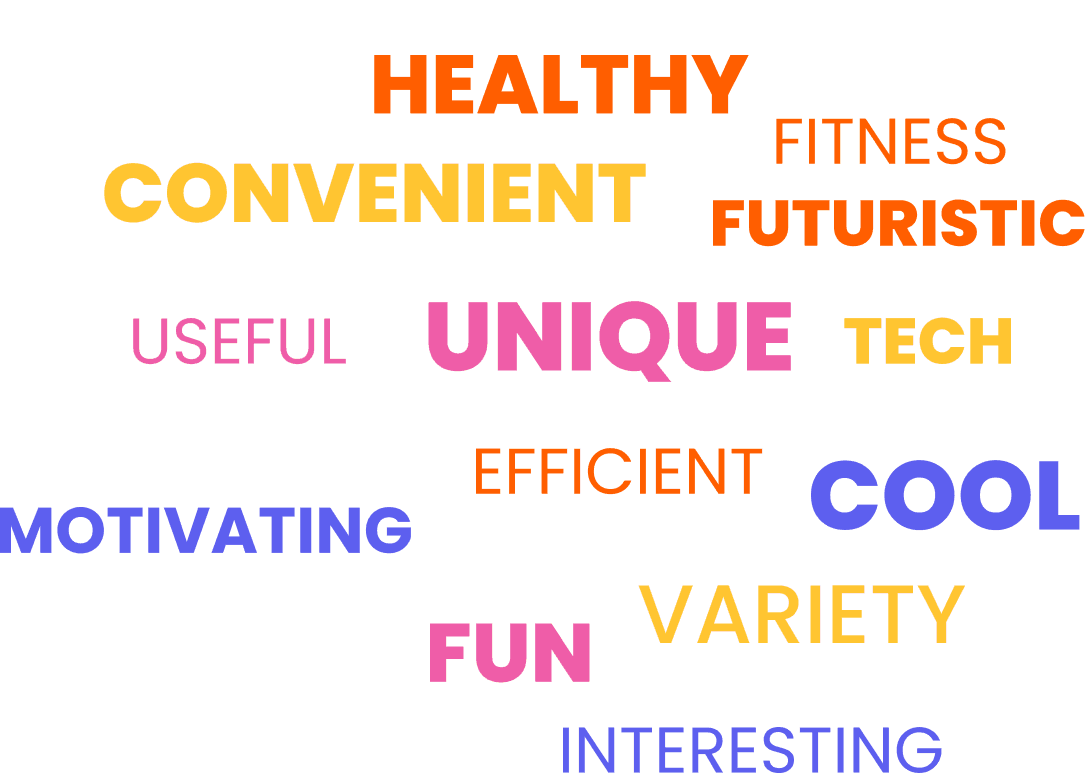
Two studies (onsite + take-home) confirmed the "Aha moment" as well as long-term retention points: Portrait-mode Tracking and Contextual Social UI drove first-session delight and long-term retention. Users described the app as healthy, motivating, fun, and futuristic.
Easy access to a healthier lifestyle
Convenient, fun, and quick
Social elements boosts motivation
Friendly competition, others' presence
Real-time effects adds engagement
Instant reward, accurate tracking
Final Pitch
Collaborating closely with the PM, engineers, and strategists , I led the narrative and visual design of the executive deck — translating UX milestones into a business case that secured buy-in from the Head of Health.

Takeaways
1. Find Innovative Ways to Navigate Prototyping Challenges: CIRKOL's heavy visuals and tech dependency made traditional prototyping impossible. By combining Figma with custom video simulation, I tested what mattered most without waiting for working code to drive an optimal experience.
2. Pick the Fight to Maximize Collaborative Effort: Knowing when to push for a critical design decision and when to compromise is as important as the design itself. Selective advocacy and clear communication are what turn good ideas into shipped products.
3. Have a Product Mindset to Connect The Dots: Focusing only on individual flows or pixels is inadequate on a 0-to-1 product. The most effective contribution comes from toggling between detail and system level, so every decision has purpose within the broader goal.